March 19, 2026
April 21, 2026
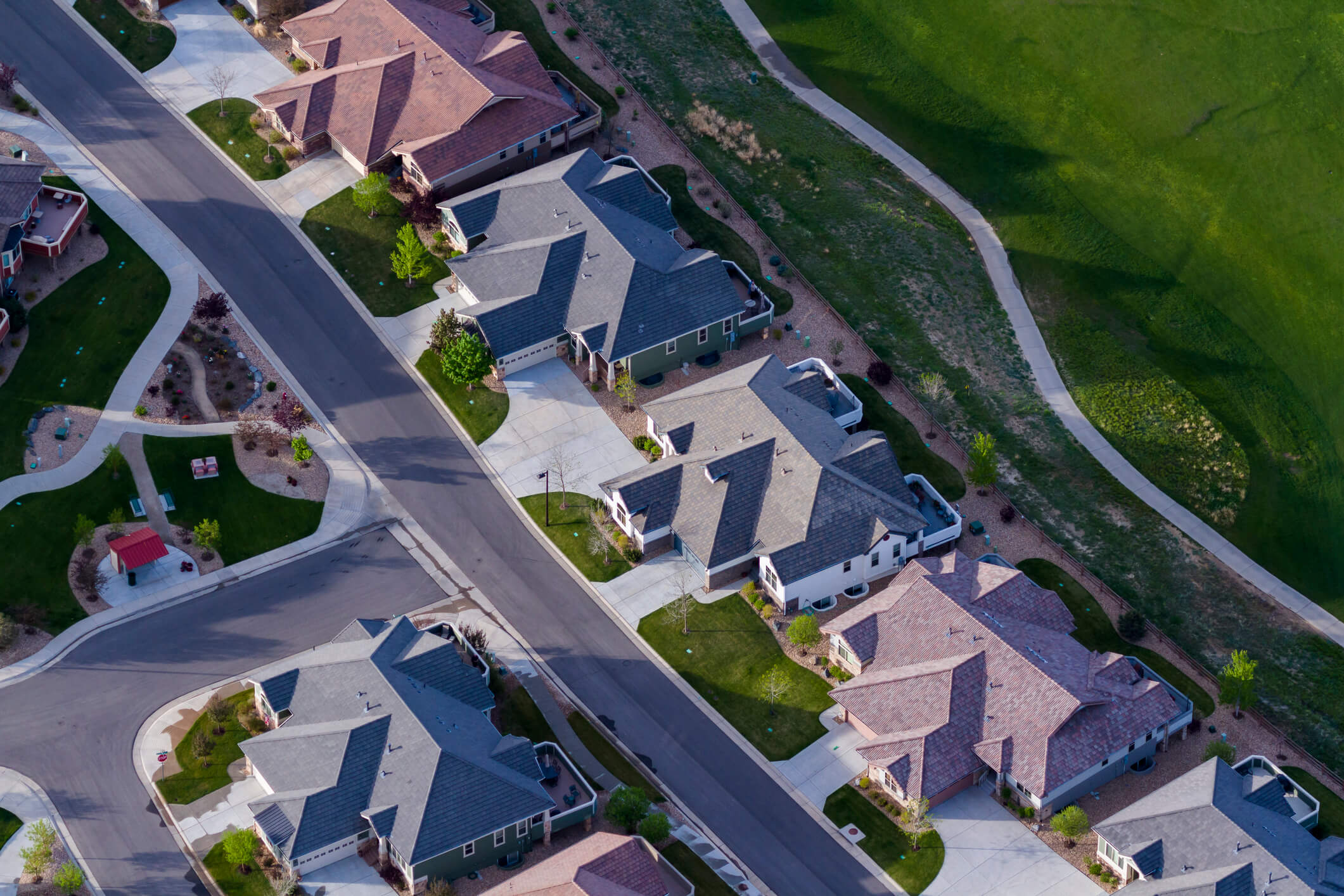
A roof lives and dies by its design. It doesn’t matter how expensive the materials are: if the design is wrong, the roof will fight itself from day one. The pitch, the shape, and the way water moves across every seam decide whether the structure ages gracefully or breaks down long before it should.
Durability, drainage, and lifespan are either built into your roof, or they’re not. You can swap materials or upgrade shingles all you want, but if the underlying design works against the elements, you’re just buying time.
Join the experts at our Reno roofing company, as we dig into how the design of a roof shapes its strength and ultimately determines how long it holds out against sun, rain, and gravity.
Roof structure design is the combination of its pitch, shape, framing, and load-bearing components. These components decide how well the whole system stands up to weather, gravity, and time.
The best roof designs for houses are shaped by local conditions like snow load, temperature swings, and storm patterns. At Mountain Vista Roof Systems, we engineer every roof design specifically for northern Nevada’s demanding climate.
Schedule Roof Design Inspection Today Contact Us
The angle (or pitch) of a roof is one of the most important factors in roof structure design. The pitch controls:
The best roof pitch for any home depends on the local climate and what kind of weather it faces most. In a place like Northern Nevada, where wind, heat, and occasional snow all collide, getting the pitch right is vital to creating a durable, storm-resistant roof.
Low‑pitch roofs (2:12 to 4:12) have great stability in wind, but water and snow take their sweet time draining. Essentially, you’ll need perfect detailing and waterproofing.
Steep-pitch roofs (6:12 and above) move water, snow, and debris off quickly. They reduce the risk of leaks, but they also create a larger target for high winds.
In Nevada’s mixed climate, a moderate pitch usually strikes the best balance. It allows for good drainage without adding excessive wind load on the residential roof structure.
Research shows the best roof pitch for hurricanes and severe storms sits right around 4:12 to 6:12. The range keeps wind moving across the surface instead of ripping at the edges.
However, angle alone isn’t enough. It’s only part of the equation. Strong framing and solid craftsmanship tie it all together when the wind decides to test your roof’s limits.
Book Expert Roof Redesign Consultation Get Started
In regions where strong winds and heavy storms are part of life, roof structure design becomes the line between performance and failure. The best roof designs for houses in these environments are crafted for aerodynamics, drainage, and long‑term resilience.
Effective design makes sure the roof deflects wind, channels water efficiently, and maintains structural integrity when weather conditions turn severe. Here’s a closer look at how key roof types perform under pressure.
The hip roof remains the benchmark for strength and stability in storm‑prone areas. With all four sides sloping inward, there are no open gable ends for the wind to hammer. Instead, it redirects gusts and sheds water evenly.
It’s no accident that the hip roof tops nearly every list of storm-resistant roof designs. Its geometry does the heavy lifting, and good framing just seals the deal.
You can’t beat a gable roof for its clean, classic look, but in a storm, those flat ends turn into giant wind scoops. Unless they’re reinforced, they’re a weak point waiting for a strong gust.
The fix is simple: ridge straps, gable-end bracing, and solid wall-to-truss ties. Done right, a standard gable can stand toe-to-toe with more complex storm-rated designs.
Mansard and flat roofs appeal to certain architectural styles but come with structural trade‑offs. The upper flat section of a mansard roof reduces overall wind resistance, while flat roofs often struggle with drainage in heavy rain or melting snow.
Still, they have a place, especially in modern Nevada properties, as long as you design them properly with reinforced flashing, tapered insulation, and top-tier membrane systems. The trick is accepting the limits and designing around them.
Optimize Roof Pitch for Better Drainage Call Now
A roof’s lifespan begins long before the shingles go on. The foundation of durability lies in the roof structure design: how the framework, slope, and ventilation all work together to handle stress over decades.
Here’s what drives long‑term performance in the best roofs for high winds:
A carefully designed residential roof structure can add 10–15 years to a roof’s lifespan. It proves that a professional design assessment during replacement matters just as much as the materials themselves.
Nevada’s mix of desert winds, heavy rain bursts, and summer heat demands a system made to hit and recover quickly. A moderate slope, similar to the best roof pitch for hurricanes (around 4:12 to 6:12), helps shed gusts and water efficiently while keeping the roof anchored tight to the home.
Reinforced ridge lines and hip connectors strengthen the highest stress points where wind pressure concentrates. These connections prevent separation under uplift forces.
Sealed roof decking paired with secondary water barriers adds backup protection. If wind tears shingles loose, the deck remains shielded against moisture intrusion.
Overhangs must be sized correctly. Too large, and they act like wings in high winds. Too small, and exterior walls lose necessary rain protection.
A continuous load path connecting the roof framing to your walls and foundation keeps the structure unified under pressure.
Nevada’s climate demands more than textbook answers. The best roof pitch for hurricanes might point toward a mid-slope design, but altitude, airflow, and desert gust patterns mean local insight is important.
Mountain Vista Roof Systems evaluates the full structure before recommending upgrades. We inspect your framing, decking integrity, ventilation layout, and fastening systems. As a GAF Master Elite® contractor, our Reno, NV, roofing crews follow stringent, manufacturer-backed installation standards proven to hold up under punishing wind loads.
A strong roof structure design in windy regions is compact and aerodynamic. Hip roofs perform best, with secure framing, reinforced ridges, and continuous load paths that transfer wind forces safely down to the foundation.
The best roof pitch for hurricanes typically falls between 4:12 and 6:12. This range helps wind flow smoothly over the roof instead of catching uplift.
Yes. Hip roofs slope on all sides, so wind slides over evenly. Gable roofs catch wind on flat ends, but with added bracing and straps, they can still make strong roofs for high winds.
A well-planned roof structure design balances load, controls moisture, and supports ventilation. These factors reduce heat buildup, stop leaks, and prevent premature wear.
Yes, but it depends on the framing. Skilled contractors can modify pitch or geometry if the structure allows. Always consult a roofing engineer before altering a storm-resistant roof to ensure safety and code compliance.
A strong roof starts with roof structure design. The layout, pitch, and framing determine how well your home stands up to wind, snow, and heat year after year. For homeowners across Reno, Sparks, Carson City, and Northern Nevada, these design choices define long-term protection and value.
If you’re planning a roof upgrade, call Mountain Vista Roof Systems at (775) 431‑6367 to schedule your free roof design consultation. The right design today prevents costly repairs tomorrow.